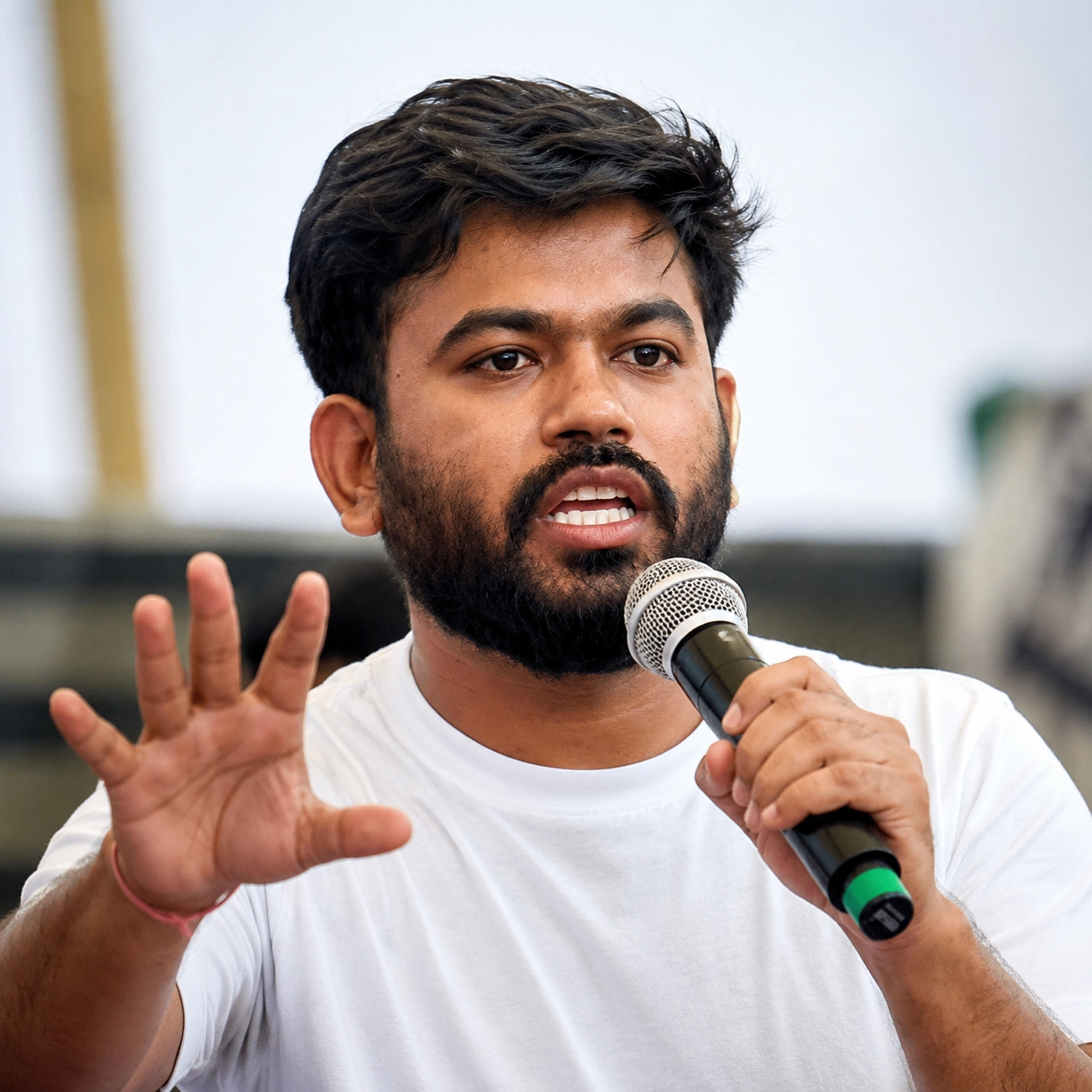
Between leaders like Mahatma Gandhi, who championed non-violent civil disobedience, and revolutionaries like Bhagat Singh or Subhas Chandra Bose, who believed in more direct action, including armed struggle
Submit Your Answer
You need to log in to submit an answer.
Answers 1

Sailen Ghosh answered on
During India’s freedom struggle, non-violence and armed resistance coexisted as parallel approaches with the same goal ending colonial rule. Leaders like Mahatma Gandhi promoted mass, non-violent movements that united millions, while revolutionaries such as Bhagat Singh and Subhas Chandra Bose believed armed action was necessary to directly challenge British power.
These approaches often differed in method but indirectly strengthened each other violent resistance created pressure and urgency for the British, while non-violence gave the movement moral legitimacy and global support. The presence of revolutionary activities also made non-violent leaders appear as a more acceptable negotiating force to the British.
Together, they broadened participation, intensified resistance, and contributed to weakening colonial control from multiple fronts.
Featured Question
 Kamal Bose
asked on
Kamal Bose
asked on

Ajinkya Shinde has emerged as a key figure in the CJP movement after Abhijeet Dipke's detention. Who is he, what is his connection with the Aam A… Read More

 Abhay Mandal
asked on
Abhay Mandal
asked on
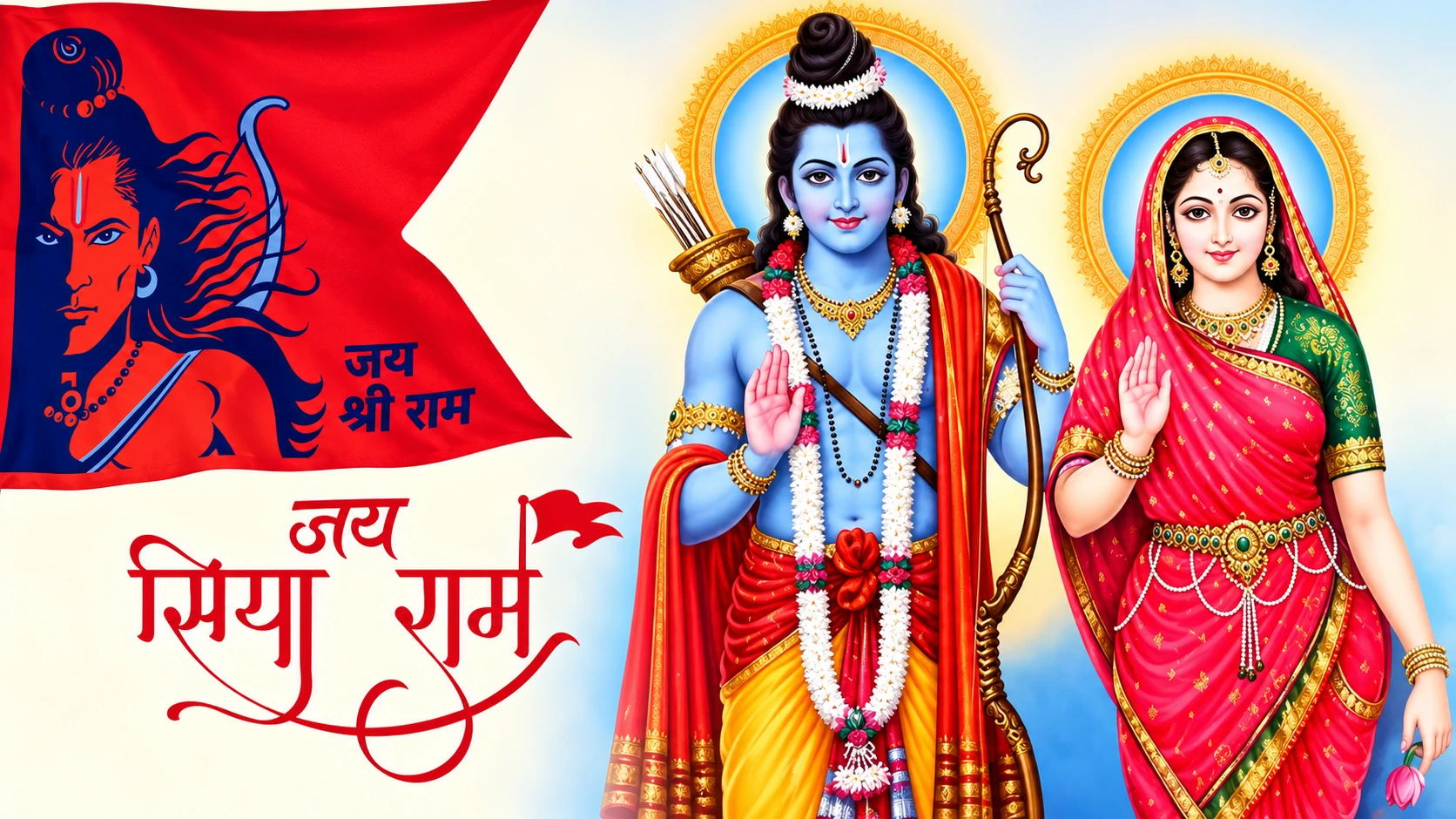
Both “Jai Shri Ram” and “Jai Siya Ram” are devotional expressions associated with Lord Rama. What is the difference?… Read More
 Ipsita Sarkar
asked on
Ipsita Sarkar
asked on
India is growing very fast economically but why there is so much unemployment.. How to change this situation. explain!… Read More