
In photography nothing is more essential than light. Whether you're using a professional DSLR or your smartphone camera, light is the single most important element that shapes how your photos look and feel. Understanding how to work with light is what separates a good photo from a great one.
In this article, we’ll explore why light matters, the different types of lighting, and how you can harness it to elevate your photography, no matter your experience level.
Why Light is Everything in Photography
Photography literally means "drawing with light." Without light, there would be no image, just darkness. But beyond simply illuminating a subject, light adds depth, mood, texture, contrast, and emotion to your photos.
Great photographers don’t just see subjects; they see how light falls on them. They notice shadows, highlights, direction, and color temperature. The key is not just capturing what’s in front of you, but how the light shapes it.
Types of Light Every Photographer Should Know
1. Natural Light
Natural light comes from the sun and changes dramatically throughout the day.
- Golden Hour (1 hour after sunrise / before sunset): Soft, warm, and flattering. Ideal for portraits and landscapes.
- Midday Light: Harsh and direct. Creates strong shadows, but can work well with contrast-heavy scenes or high-key fashion shots.
- Overcast Light: Cloudy skies diffuse sunlight, creating soft shadows — perfect for portraits and product photography.
- Backlighting: Light behind your subject can create silhouettes or dreamy glow effects.
2. Artificial Light
Artificial light includes lamps, LED panels, flash, neon signs, or anything man-made.
- Tungsten light: Warm, yellowish. Often used indoors.
- Fluorescent light: Cooler and can sometimes create a greenish tint.
- LED light: Popular for being adjustable and consistent. Great for both stills and video.
Key Qualities of Light to Understand
1.Direction
Where is the light coming from? Front, side, back, or above?
- Front lighting evenly lights the subject but can look flat.
- Side lighting adds depth and texture by creating shadows.
- Backlighting produces silhouettes or halos.
- Top lighting is dramatic and often used in moody photography.
2.Intensity
How strong or weak is the light?
- Hard light creates sharp shadows and is often dramatic.
- Soft light wraps gently around subjects and is more flattering - especially for portraits.
Tips to Use Light Creatively in Your Photos
- Watch the shadows. They add structure and contrast - don’t fear them.
- Change your position. Move around your subject to see how light changes the mood.
- Use reflectors. A white surface (paper, board, or even a t-shirt) can bounce light back into your subject and reduce harsh shadows.
- Play with silhouettes. Shoot against the light to capture outlines.
- Use window light indoors. It’s free, natural, and often beautiful.
Light Sets the Mood
Lighting not only defines the technical quality of a photo but also its emotional tone.
- Soft, golden light can feel romantic or peaceful.
- Harsh light with deep shadows can add intensity or mystery.
- Cool, blue tones may evoke loneliness or calmness.
Train Your Eye
The more you practice observing light, the more intuitive it becomes. Try this:
Next time you’re walking around indoors or out door; observe how the light hits objects, faces, and spaces. Notice the patterns, the shadows, and the changes as you move.
Great photography starts not with the camera, but with seeing the light.
Choose an image
Featured Article

For years, the default expectation after Class 12, especially for science students has been simple: clear JEE for engineering or clear NEET for medicine. If you didn't fit into those two boxes, it often felt like you were out of options. How to Choose the Right Path.
That narrative is completely outdated. Read More

What if the world's largest river wasn't on the ground?
When people think of the Amazon, they imagine a vast jungle filled with exotic wildlife, giant trees, and the mighty Amazon River. But scientists have discovered something even more astonishing hidden above the forest. A massive invisible rivers flowing through the sky. Read More
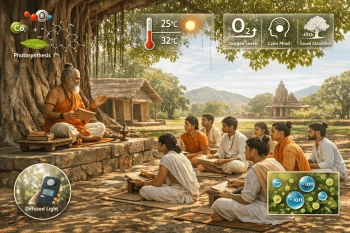
বৃক্ষছায়ায় জ্ঞানের আলোকবর্তিকা: প্রাচীন ভারতীয় শিক্ষা দর্শনের গূঢ়তত্ত্ব Read More

A brief overview of the village where Batukeshwar Dutt was born, its historical significance and how to visit. Read More

অনেক বছর ধরে প্রচলিত একটি ধারণা মানুষ তার মস্তিষ্কের মাত্র ১০% ব্যবহার করে। আধুনিক স্নায়ুবিজ্ঞান বলছে, এটি সম্পূর্ণ ভুল। আমরা আসলে আমাদের মস্তিষ্কের প্রায় সব অংশই ব্যবহার করি, শুধু একসঙ্গে নয়। প্রতিটি অঞ্চল নির্দিষ্ট কাজের জন্য দায়ী, কোনো অংশ ভাষা বোঝে, কোনো অংশ পরিকল্পনা করে, আবার অন্য অংশ আবেগ বা চলাফেরার নিয়ন্ত্রণে থাকে। Read More