Submit Your Answer
You need to log in to submit an answer.
Answers 1

Raju Das answered on
Think of stress like a fire alarm. In a short burst, that alarm saves your life by getting you out of a burning building. But if that alarm stays on for weeks, months, or years? It doesn’t just give you a headache— it starts to shake the foundation of the entire house.
When stress moves from "temporary hassle" to "permanent roommate," your body stays in a state of high alert that it wasn't designed to handle. Here is the long-term breakdown.
What Happens to Your Mind?
Long-term stress is like leaving too many apps running on an old smartphone. Eventually, the system starts to lag and crash.
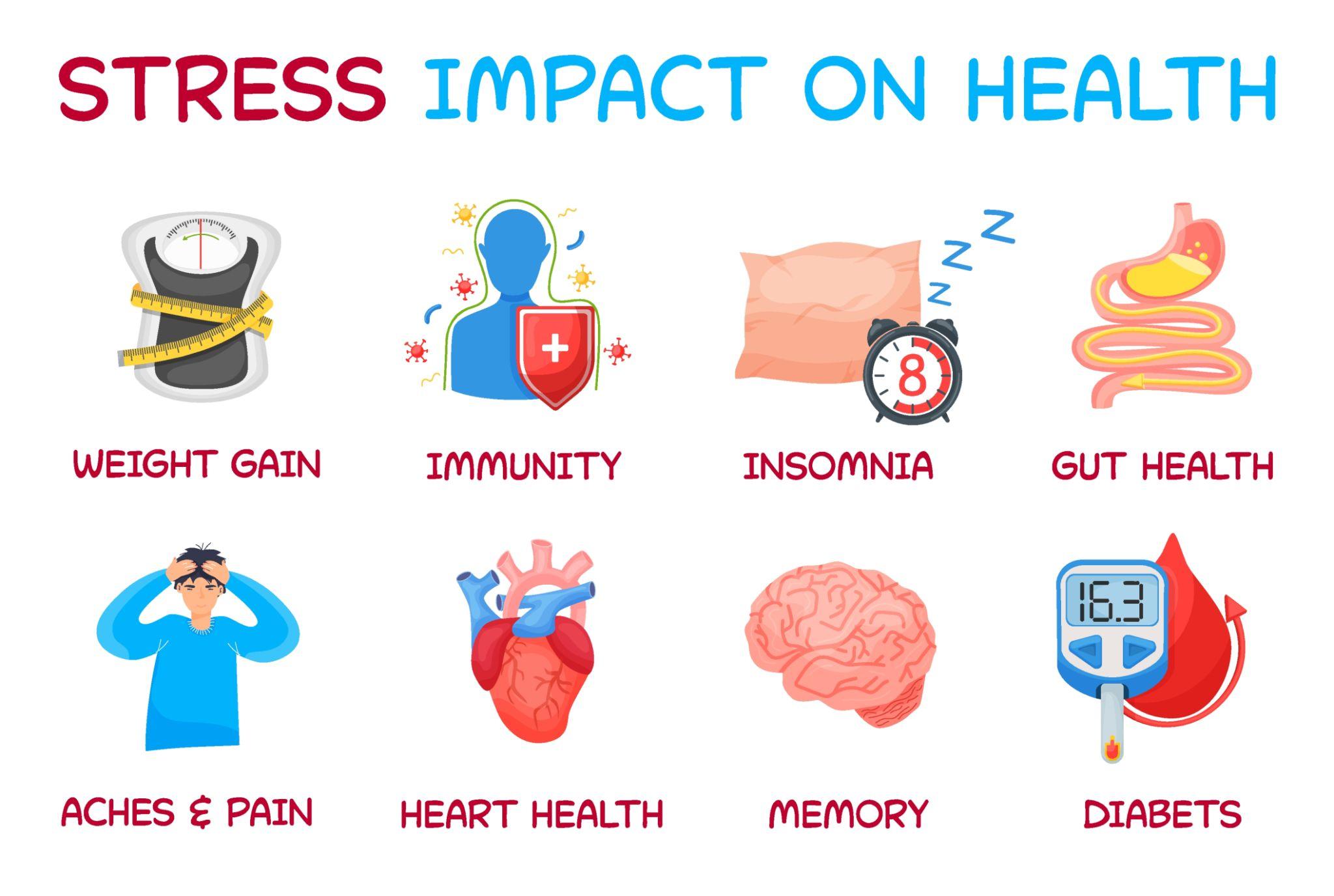
- The Memory Trap: Constant stress floods the brain with cortisol. Over time, this can actually shrink the hippocampus, the part of your brain responsible for memories and learning. This is why you feel "brain fog."
- The Emotional Rollercoaster: Your brain’s "alarm center" (the amygdala) becomes hyper-reactive. You might find yourself snapping at small things or feeling a constant sense of dread.
- Mental Exhaustion: Eventually, the brain gets tired of being "on." This often leads to burnout, anxiety disorders, or clinical depression.
What Happens to Your Body?
Your body prioritizes survival over maintenance. If you're "running from a tiger" every day, your body stops focusing on long-term health projects like healing and digestion.
- The Heart Under Pressure : Stress makes your heart beat faster and your blood vessels constrict. Doing this for years is like red-lining a car engine; it leads to high blood pressure, which increases the risk of heart attacks and strokes.
- The "Immune System" Strike : When you're stressed, your body suppresses the immune system to save energy. Long-term, this means you get sick more often, stay sick longer, and your body struggles to repair internal damage.
- Digestion Disruption : Have you ever had "butterflies" in your stomach? Now imagine that feeling permanently. Chronic stress can lead to:
- Acid reflux and stomach ulcers.
- Changes in how your body absorbs nutrients.
- Weight gain, specifically around the belly, as the body stores fat "just in case" of a future emergency.
- Tense Muscles : If you carry your stress in your shoulders or jaw, your muscles stay semi-clenched 24/7. This leads to chronic tension headaches, migraines, and back pain that doesn't seem to go away with rest.
The Silver Lining
The human body is incredibly resilient. The "alarm" can be turned down. Small changes— like consistent sleep, physical movement, and setting boundaries— tell your nervous system that the "tiger" is gone. When the body finally feels safe, it can begin the process of repairing the damage.
Featured Question
 Kamal Bose
asked on
Kamal Bose
asked on

Ajinkya Shinde has emerged as a key figure in the CJP movement after Abhijeet Dipke's detention. Who is he, what is his connection with the Aam A… Read More

 Abhay Mandal
asked on
Abhay Mandal
asked on

Both “Jai Shri Ram” and “Jai Siya Ram” are devotional expressions associated with Lord Rama. What is the difference?… Read More
 Ipsita Sarkar
asked on
Ipsita Sarkar
asked on
India is growing very fast economically but why there is so much unemployment.. How to change this situation. explain!… Read More