Answers Page - 1

Manjari Santra answered on
inbox me. I can help. but can't say it publicly.
Manjari Santra answered on
Regional movements and princely states played significant roles in shaping India's independence movement, both by contributing to the national struggle against British colonialism and by presenting unique challenges and opportunities to the movement. Here's an exploration of their roles:
1. Regional Movements:
Regional movements in different parts of India had a profound impact on the overall struggle for independence. These movements often emerged as responses to local issues, such as economic exploitation, social inequalities, or political autonomy, but they also contributed to the broader national movement. Some key examples include:
- Bengal Renaissance and Social Reform: The intellectual and social reforms in Bengal during the 19th century, led by figures like Raja Ram Mohan Roy, Ishwar Chandra Vidyasagar, and later, leaders like Subhas Chandra Bose, laid the foundation for nationalist sentiments. Bengal's literary and cultural movements helped shape the Indian Renaissance and nurtured ideas of nationalism, which would later merge with the independence movement.
- The Maratha Movements: The Maratha Empire's history and its fight against British expansion in India influenced the resistance to British rule. Leaders like Baji Rao II and Nana Saheb were involved in uprisings like the First War of Indian Independence (1857), and the Maratha revivalist sentiment continued to inspire resistance in Maharashtra.
- The Punjab Struggle: The Ghadar Party, formed by Indian expatriates in North America, played an important role in Punjab’s involvement in the independence struggle. In the early 20th century, the Jallianwala Bagh massacre of 1919 galvanized the movement in Punjab, with widespread protests and national outrage.
- The South Indian Movements: In South India, the rise of the Dravidian movement, led by figures like Periyar E. V. Ramasamy, contributed to social reforms and demanded greater autonomy from the British. The movement's emphasis on social justice, anti-caste sentiment, and opposition to the domination of Brahmin elites resonated with many in the region.
- Peasant and Tribal Movements: Numerous regional movements arose from the struggles of peasants and tribals against oppressive policies. Examples include the Champaran Satyagraha (1917), the Kheda Satyagraha (1918), and the Non-Cooperation Movement (1920), where leaders like Gandhi and others mobilized the rural and marginalized populations against the colonial system of taxation and exploitation. Tribal uprisings, such as the Santhal Rebellion (1855) and the Munda Rebellion (1899-1900), also played crucial roles in challenging British authority.
2. Princely States:
Princely states, which were semi-autonomous regions ruled by local monarchs, were a complex and multifaceted aspect of India's independence movement. While some princely states collaborated with the British, others contributed to or supported the Indian independence cause:
- Collaboration with the British: Many princely states, especially those in the north and west of India, maintained a close relationship with the British Empire, often out of self-interest. These states, such as Hyderabad, Jammu and Kashmir, and Mysore, were largely dependent on British support to maintain their own rule. This relationship made them resistant to the nationalist movement, as they feared losing their sovereignty. However, the British utilized these states as part of their imperial strategy to divide and rule India.
- The Role of Leaders in Princely States: Some rulers, however, supported the independence movement. For example, Maharaja Sayajirao Gaekwad III of Baroda and Maharaja Krishna Raja Wadiyar IV of Mysore supported educational reforms and played key roles in regional development, sometimes aligning themselves with nationalist causes. Maharaja Ghulab Singh of Kashmir and others maintained complex stances, balancing their own interests while dealing with the nationalist movement.
- Azad Hind Fauj and Support from Princely States: Some princely states provided moral and material support to leaders like Subhas Chandra Bose, who led the Indian National Army (INA) in exile. Bose's efforts to mobilize Indian soldiers in the British Indian Army to defect and join the INA received backing from Japan and some princely state leaders.
- The Role of the Indian National Congress: The Congress Party sought to align with princely states during the independence movement, proposing a system of autonomy for them in the post-colonial setup. The All India States Peoples Conference (AISPC) was formed in 1927 to demand the inclusion of the princely states in the political mainstream, emphasizing that the rulers should represent the interests of their subjects rather than collaborate with the British. This resulted in some princely states becoming more sympathetic to the Indian National Congress and eventually joining the independence movement.
3. The Integration of Princely States Post-Independence:
One of the challenges faced after independence was the integration of the princely states into the new Republic of India. Following the independence in 1947, many princely states initially hesitated to join the newly independent nation, either because they were offered autonomy under the Indian Independence Act of 1947 or because they sought to remain independent. Sardar Vallabhbhai Patel, the then Deputy Prime Minister, played a key role in negotiating and securing the accession of over 500 princely states into the Indian Union. The Instrument of Accession was signed by most rulers, thus consolidating India's political integrity.
Conclusion:
Regional movements and princely states played a crucial, though varied, role in the Indian independence movement. Regional movements contributed to the rise of national consciousness and organized local resistance against British colonial rule. Princely states, on the other hand, had a complex relationship with the British and the nationalist movement, with some supporting independence and others resisting it. Both factors shaped India's fight for freedom and the eventual unification of the country after independence.
Featured Question
 Kamal Bose
asked on
Kamal Bose
asked on

Ajinkya Shinde has emerged as a key figure in the CJP movement after Abhijeet Dipke's detention. Who is he, what is his connection with the Aam A… Read More

 Abhay Mandal
asked on
Abhay Mandal
asked on
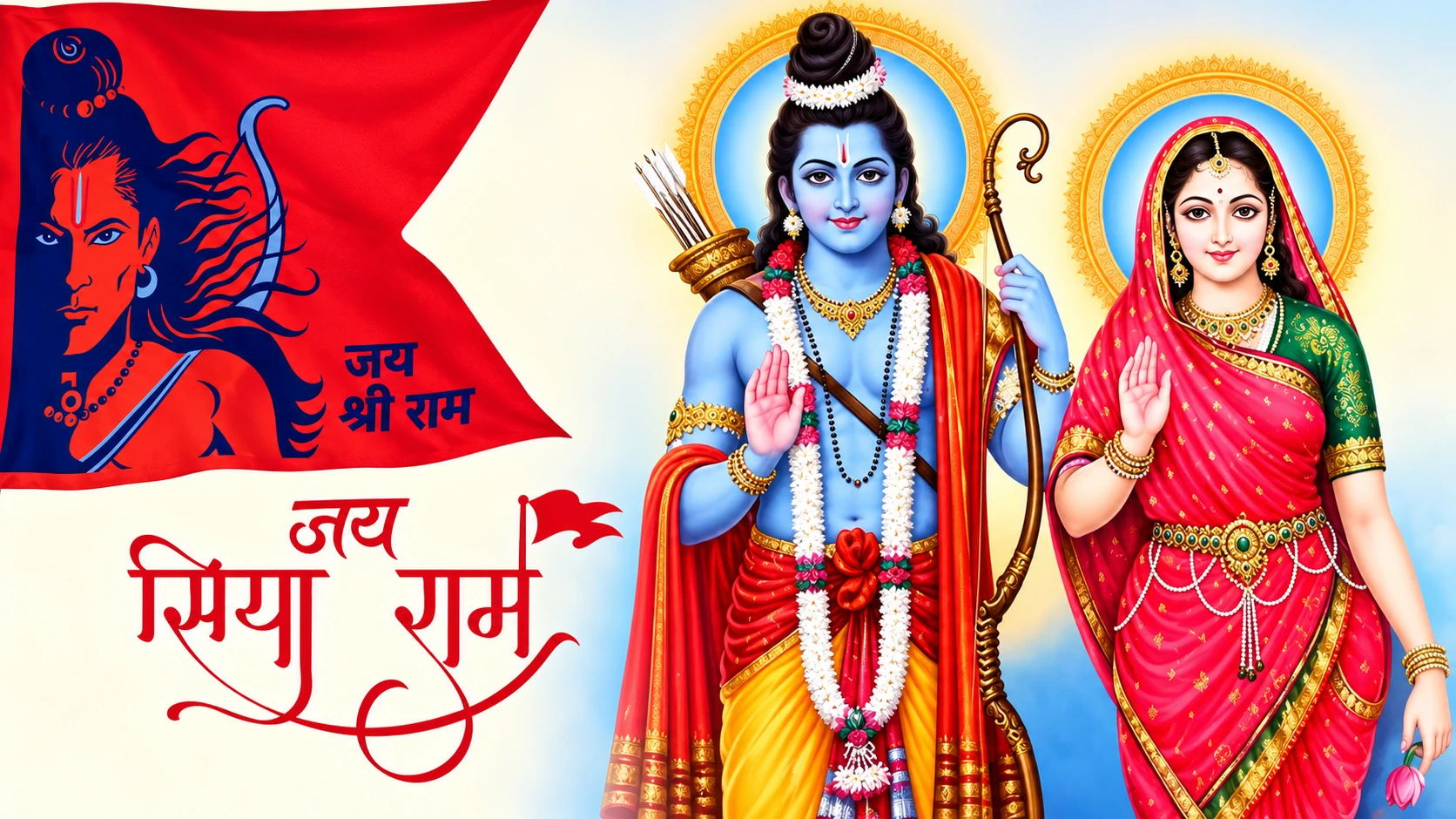
Both “Jai Shri Ram” and “Jai Siya Ram” are devotional expressions associated with Lord Rama. What is the difference?… Read More
 Ipsita Sarkar
asked on
Ipsita Sarkar
asked on
India is growing very fast economically but why there is so much unemployment.. How to change this situation. explain!… Read More