Answers Page - 1

Raju Das answered on
Yes. Access to healthcare is widely considered a fundamental human right because everyone should have a fair opportunity to receive essential medical care regardless of income or social status. It can protect life, prevent suffering, and help people live healthy and productive lives.
However, ensuring universal healthcare requires resources, funding, and effective systems, so governments may differ on how that right should be provided.
Raju Das answered on
As of September 2026, there is no confirmed news that Salman Khan has married. In fact, during the Bigg Boss 20 grand premiere, Salman jokingly addressed his relationship status and indicated that he is still single and “not ready to mingle.”
There have been several rumours about Salman Khan's relationships over the years, with names such as Sangeeta Bijlani, Somy Ali, Aishwarya Rai, Katrina Kaif and Iulia Vantur linked to him at different times. However, there is no reliable current confirmation that he is dating anyone.
Recently, social media and some websites have also circulated claims that Salman secretly married. However, these claims remain unverified, and there has been no official announcement from Salman Khan confirming a marriage.
So, the safest answer right now is: Salman Khan appears to be unmarried and has not publicly confirmed a current relationship. Whether the Bollywood superstar will finally get married remains one of the most searched questions about his personal life.
Raju Das answered on
He is protesting to improve Indian government schools
Raju Das answered on
A leap year is a year with 366 days instead of 365. An extra day is added to February to account for the extra time Earth takes to orbit the Sun.
Raju Das answered on
Staying healthy does not have to mean following an expensive diet plan or buying costly health foods. A balanced diet made from simple, locally available foods can provide most of the nutrients your body needs.
Start your day with a nutritious breakfast such as eggs with roti, oats with milk and a banana, poha, upma, or idli with sambar. For lunch, include rice or roti along with dal, seasonal vegetables, and a protein source such as eggs, fish, chicken, paneer, chana, or soy. Adding curd can also provide protein and calcium.
For an evening snack, choose affordable options like roasted chana, peanuts, sprouts, or seasonal fruit instead of regularly eating packaged snacks and sugary foods. Dinner can be simple and lighter, such as roti with vegetables and dal or rice with fish, egg, and vegetables.
Some of the most affordable nutritious foods include eggs, dal, chana, peanuts, seasonal vegetables, bananas, milk, curd, and local fish. You do not need expensive supplements or imported “superfoods” to eat well.
The most important thing is variety and balance. Try to include vegetables and fruits regularly, enough protein, whole or minimally processed foods, and plenty of water. At the same time, limit excessive sugar, deep-fried foods, highly processed snacks, and sugary drinks.
A healthy diet can be simple: eat a variety of ordinary foods, control portions, choose seasonal and local ingredients, and maintain consistency. A nutritious home-cooked meal is often much cheaper and healthier than an expensive diet plan.
Raju Das answered on
India celebrates Independence Day on 15 August because British rule officially ended on 15 August 1947, when power was transferred to independent India.
The date was brought forward by Lord Louis Mountbatten, the last Viceroy of British India. He had originally been given a deadline to transfer power by June 1948, but amid growing political tensions and communal violence, the transfer was advanced to August 1947.
Mountbatten later explained that he selected 15 August because it was the second anniversary of Japan's surrender in World War II in 1945. He had been the Supreme Allied Commander of the South East Asia Command when Japan surrendered.
The Indian Independence Act 1947 established 15 August 1947 as the date on which British rule would end and the new Dominions of India and Pakistan would come into existence.
Interestingly, 15 August was not always India's Independence Day. Before independence, the Indian National Congress had observed 26 January as Independence Day from 1930 to commemorate the declaration of Purna Swaraj (complete independence). After India became a republic on 26 January 1950, that date became Republic Day instead.
In short: 15 August was chosen primarily because Mountbatten advanced the transfer of power to August 1947 and specifically selected 15 August, partly because it marked the second anniversary of Japan's surrender.
Raju Das answered on
No. Rahul Gandhi is not married as of August 2026.
The official Digital Sansad profile of Rahul Gandhi lists his marital status as “Unmarried” and does not name a spouse.
Raju Das answered on
Sonam Wangchuk is an Indian engineer, education reformer, innovator, and environmental activist from Ladakh. He is best known for transforming education in the Himalayan region through hands-on, practical learning and sustainable innovation.
He co-founded Students' Educational and Cultural Movement of Ladakh (SECMOL), an alternative educational institution that helps students who struggle in conventional schools develop practical skills, creativity, and problem-solving abilities.
Wangchuk is also internationally recognized for developing the Ice Stupa project, an innovative artificial glacier system that stores water during winter and releases it gradually in spring, helping farmers in water-scarce regions. His work has earned him several national and international awards, and he has become a prominent voice on climate change, sustainable development, and the protection of the fragile Himalayan ecosystem.
In recent years, he has also been at the forefront of campaigns advocating for environmental protection, constitutional safeguards for Ladakh, and greater participation of local communities in decisions affecting the region.
Raju Das answered on
Think of stress like a fire alarm. In a short burst, that alarm saves your life by getting you out of a burning building. But if that alarm stays on for weeks, months, or years? It doesn’t just give you a headache— it starts to shake the foundation of the entire house.
When stress moves from "temporary hassle" to "permanent roommate," your body stays in a state of high alert that it wasn't designed to handle. Here is the long-term breakdown.
What Happens to Your Mind?
Long-term stress is like leaving too many apps running on an old smartphone. Eventually, the system starts to lag and crash.
- The Memory Trap: Constant stress floods the brain with cortisol. Over time, this can actually shrink the hippocampus, the part of your brain responsible for memories and learning. This is why you feel "brain fog."
- The Emotional Rollercoaster: Your brain’s "alarm center" (the amygdala) becomes hyper-reactive. You might find yourself snapping at small things or feeling a constant sense of dread.
- Mental Exhaustion: Eventually, the brain gets tired of being "on." This often leads to burnout, anxiety disorders, or clinical depression.
What Happens to Your Body?
Your body prioritizes survival over maintenance. If you're "running from a tiger" every day, your body stops focusing on long-term health projects like healing and digestion.
- The Heart Under Pressure : Stress makes your heart beat faster and your blood vessels constrict. Doing this for years is like red-lining a car engine; it leads to high blood pressure, which increases the risk of heart attacks and strokes.
- The "Immune System" Strike : When you're stressed, your body suppresses the immune system to save energy. Long-term, this means you get sick more often, stay sick longer, and your body struggles to repair internal damage.
- Digestion Disruption : Have you ever had "butterflies" in your stomach? Now imagine that feeling permanently. Chronic stress can lead to:
- Acid reflux and stomach ulcers.
- Changes in how your body absorbs nutrients.
- Weight gain, specifically around the belly, as the body stores fat "just in case" of a future emergency.
- Tense Muscles : If you carry your stress in your shoulders or jaw, your muscles stay semi-clenched 24/7. This leads to chronic tension headaches, migraines, and back pain that doesn't seem to go away with rest.
The Silver Lining
The human body is incredibly resilient. The "alarm" can be turned down. Small changes— like consistent sleep, physical movement, and setting boundaries— tell your nervous system that the "tiger" is gone. When the body finally feels safe, it can begin the process of repairing the damage.
Raju Das answered on
One problem society often ignores is loneliness and mental health struggles. Many people appear fine on the outside but silently deal with stress, depression, or isolation. Because mental health is still stigmatized in many communities, people hesitate to talk about their feelings or ask for help. As a result, the problem grows quietly while others assume everything is normal. Paying more attention, listening without judgment, and creating supportive environments can help address this hidden issue. Ignoring it only makes the suffering deeper and more widespread.
Raju Das answered on
We can enjoy rapid technological innovation without sacrificing privacy by combining responsible design, strong laws, ethical development, transparent companies, and an aware society.
Raju Das answered on
ISO controls how sensitive your camera is to light.
- A low ISO means the camera is less sensitive to light.
- A high ISO means the camera is more sensitive to light.
What Happens if ISO is Too High?
When you increase ISO too much, your photo gets grainy or noisy, it looks less sharp and smooth. So it's best to keep ISO as low as possible, only raise it when you need to.
Quick Tips for Beginners
- In bright light (like outdoors): Use ISO 100 or 200
- Indoors with light: ISO 400 to 800
- Low light or night: ISO 1600+
- Don't worry, your camera or phone often chooses ISO for you in auto mode!
What About Mobile Photography?
Good news! Most smartphone cameras adjust ISO automatically. But if you're using Pro Mode or a camera app with manual controls, you can change the ISO just like a DSLR.
Featured Question
 Kamal Bose
asked on
Kamal Bose
asked on

Ajinkya Shinde has emerged as a key figure in the CJP movement after Abhijeet Dipke's detention. Who is he, what is his connection with the Aam A… Read More
 Abhay Mandal
asked on
Abhay Mandal
asked on
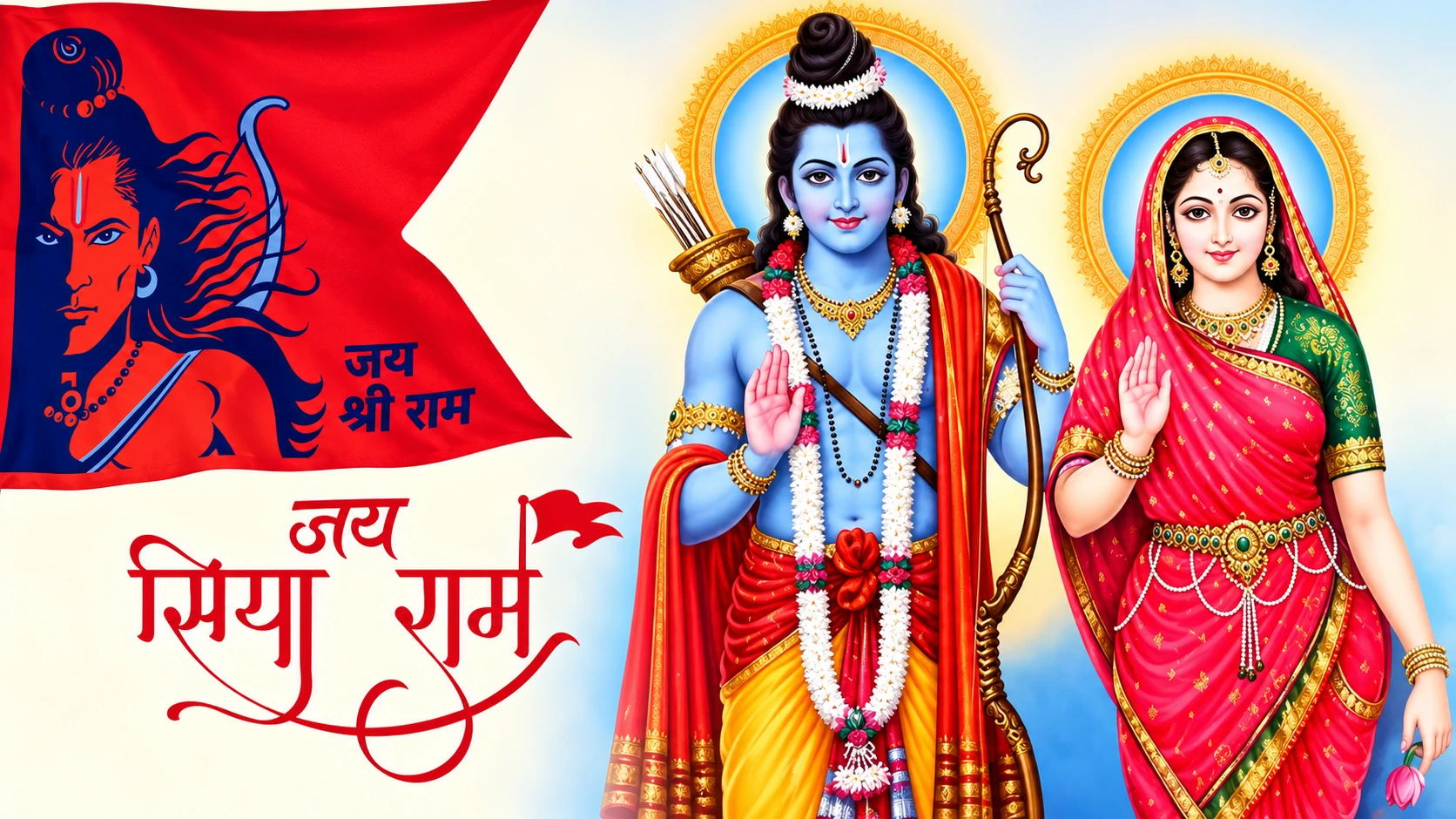
Both “Jai Shri Ram” and “Jai Siya Ram” are devotional expressions associated with Lord Rama. What is the difference?… Read More
 Ipsita Sarkar
asked on
Ipsita Sarkar
asked on
India is growing very fast economically but why there is so much unemployment.. How to change this situation. explain!… Read More