
In today's digital age, our smartphone is more than just a communication tool. it's a powerful camera in your pocket. Whether you're capturing everyday moments, your travel adventures, or content for social media, you don’t need a costly DSLR to take beautiful photos. With a few simple tricks, you can dramatically improve your mobile photography game.
Here are 10 easy tips to help you take stunning photos with your phone:
1. Clean Your Lens First
It may sound basic, but this is the most overlooked tip. Your phone spends a lot of time in your pocket, bag, or hand, which means the lens often collects dust, fingerprints, and smudges. A quick wipe with a soft cloth or your shirt can instantly improve image clarity and sharpness.
2. Tap to Focus
Modern smartphones are smart, but they can’t always guess what you want in focus. Before you hit the shutter, tap on your subject on the screen. This tells the camera where to focus and adjust exposure accordingly, resulting in a crisper and better-lit photo.
3. Use Natural Light Whenever Possible
Lighting can make or break a photo. Try to use natural light by shooting near windows, during the day, or outdoors. Early morning and late afternoon are often called "golden hour" and provide warm, soft light that flatters everything from portraits to landscapes. Avoid using your phone's flash, which often creates harsh shadows and unnatural tones.
4. Avoid Digital Zoom and Move Closer Instead
Zooming in with your phone camera reduces image quality because most phones use digital zoom, not optical. Instead of zooming, physically move closer to your subject. This keeps the image sharp and detailed.
5. Use the Rule of Thirds for Better Composition
Great photography isn’t just about what you shoot, but how you frame it. Turn on the grid feature in your camera settings. This divides your screen into nine parts using two horizontal and two vertical lines. Try placing your subject along these lines or where they intersect, this technique is known as the Rule of Thirds and often leads to more balanced, visually appealing shots.
6. Keep the Camera Steady
Blurry photos are often caused by shaky hands. Use both hands to hold your phone steady, or rest your elbows on a surface for support. If you're shooting in low light or at night, consider using a mini tripod or leaning your phone against something stable.
7. Experiment with Angles and Perspectives
Don’t just shoot everything from eye level. Crouch down, shoot from above, or tilt your phone for a creative twist. Changing your perspective can turn an ordinary subject into something artistic and unique.
8. Crop Later, Don’t Zoom Now
If you need a closer view, take a full-resolution photo and crop it afterward using a photo editor. This preserves more detail than zooming in during the shot, which can pixelate and blur your image.
9. Edit, But Don’t Overdo It
Photo editing apps like Snapseed, Lightroom Mobile, or even your built-in photo editor can enhance your photos. Tweak brightness, contrast, shadows, and sharpness to bring your image to life. Just be careful not to over edit. Too much saturation or sharpening can make your photo look artificial.
10. Take More Photos Than You Think You Need
The beauty of digital photography is that there's no cost to taking extra shots. Capture multiple versions of a scene. Try different angles, expressions, or light directions. Later, you’ll be thankful for the variety when you’re choosing the perfect shot.
You don’t need expensive equipment or professional training to take amazing photos. With a bit of practice and these simple tips, you can make the most of your phone’s camera and consistently snap impressive, frame worthy pictures.
So grab your phone, step outside, and start shooting; the perfect shot might be just a tap away!
Choose an image
Featured Article

For years, the default expectation after Class 12, especially for science students has been simple: clear JEE for engineering or clear NEET for medicine. If you didn't fit into those two boxes, it often felt like you were out of options. How to Choose the Right Path.
That narrative is completely outdated. Read More

What if the world's largest river wasn't on the ground?
When people think of the Amazon, they imagine a vast jungle filled with exotic wildlife, giant trees, and the mighty Amazon River. But scientists have discovered something even more astonishing hidden above the forest. A massive invisible rivers flowing through the sky. Read More
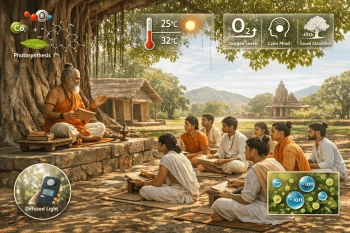
বৃক্ষছায়ায় জ্ঞানের আলোকবর্তিকা: প্রাচীন ভারতীয় শিক্ষা দর্শনের গূঢ়তত্ত্ব Read More

A brief overview of the village where Batukeshwar Dutt was born, its historical significance and how to visit. Read More

অনেক বছর ধরে প্রচলিত একটি ধারণা মানুষ তার মস্তিষ্কের মাত্র ১০% ব্যবহার করে। আধুনিক স্নায়ুবিজ্ঞান বলছে, এটি সম্পূর্ণ ভুল। আমরা আসলে আমাদের মস্তিষ্কের প্রায় সব অংশই ব্যবহার করি, শুধু একসঙ্গে নয়। প্রতিটি অঞ্চল নির্দিষ্ট কাজের জন্য দায়ী, কোনো অংশ ভাষা বোঝে, কোনো অংশ পরিকল্পনা করে, আবার অন্য অংশ আবেগ বা চলাফেরার নিয়ন্ত্রণে থাকে। Read More