
Answers Page - 1

Sailen Ghosh answered on
There isn’t a single fix, but the most effective approach is a combination of policies that address both income and opportunity gaps. Progressive taxation and well-targeted public spending (education, healthcare, social security) help reduce inequality while maintaining economic stability.
Equally important is equal access to quality education and jobs, so people can improve their earning potential over time. Strengthening labor rights, fair wages, and support for small businesses also helps distribute income more evenly.
Finally, governments need to regulate monopolies and ensure fair markets, while individuals and institutions promote inclusive growth because long-term reduction of the wealth gap depends on both policy and opportunity.
Sailen Ghosh answered on
Individuals play an important but limited role in combating climate change through daily choices like reducing energy use, minimizing waste, and supporting sustainable products. These actions help create awareness, shift consumer demand, and build social pressure for change.
However, governments and corporations carry the largest responsibility, since they control policies, infrastructure, and large-scale emissions. Decisions on energy systems, industry regulations, and environmental laws have far greater impact than individual actions alone.
In reality, progress depends on both: individuals drive cultural and behavioral change, while governments and businesses must implement systemic solutions for meaningful, long-term impact.
Sailen Ghosh answered on
During India’s freedom struggle, non-violence and armed resistance coexisted as parallel approaches with the same goal ending colonial rule. Leaders like Mahatma Gandhi promoted mass, non-violent movements that united millions, while revolutionaries such as Bhagat Singh and Subhas Chandra Bose believed armed action was necessary to directly challenge British power.
These approaches often differed in method but indirectly strengthened each other violent resistance created pressure and urgency for the British, while non-violence gave the movement moral legitimacy and global support. The presence of revolutionary activities also made non-violent leaders appear as a more acceptable negotiating force to the British.
Together, they broadened participation, intensified resistance, and contributed to weakening colonial control from multiple fronts.
Sailen Ghosh answered on
Several factors contributed to the victory of Bharatiya Janata Party in Maharashtra. Strong leadership and campaign strategy, especially under figures like Narendra Modi and Devendra Fadnavis, played a key role in mobilizing voters.
The party also benefited from alliances (like with factions of Shiv Sena and NCP), organizational strength at the grassroots level, and effective use of welfare schemes and development narratives. Opposition fragmentation and internal conflicts weakened rival parties, giving BJP an advantage. Additionally, issues like infrastructure, governance, and national leadership appeal influenced voter sentiment in its favor.
Sailen Ghosh answered on
India’s freedom movement became a powerful model for other colonies by showing that mass mobilization and nonviolent resistance could successfully challenge imperial rule. Leaders like Mahatma Gandhi inspired global figures such as Martin Luther King Jr. and Nelson Mandela, who adapted similar strategies in their own struggles.
India’s independence in 1947 also weakened the legitimacy of colonialism and encouraged countries across Asia and Africa to demand self-rule. It played a key role in shaping international support for decolonization through forums like the United Nations and later the Non-Aligned Movement.
Overall, India’s movement showed that unity, political organization, and moral pressure could lead to independence, influencing a global wave of decolonization.
Sailen Ghosh answered on
Women played a vital role in India’s freedom struggle by actively participating in protests, movements, and revolutionary activities. Leaders like Sarojini Naidu, Rani Lakshmibai, and Aruna Asaf Ali led marches, faced imprisonment, and inspired mass participation. Their involvement in movements like the Quit India Movement showed that the struggle was not limited by gender.
This participation helped break traditional social barriers and proved women’s capability in leadership and public life. After independence, it influenced the inclusion of equal rights in the Constitution and encouraged women’s involvement in politics, education, and the workforce. Overall, women’s contributions strengthened both the freedom movement and the foundation of a more inclusive India.
Sailen Ghosh answered on
India’s cultural and religious diversity shaped the freedom struggle by forcing leaders to adopt inclusive and unifying strategies. Figures like Mahatma Gandhi promoted ideas such as non-violence and unity across religions, using common symbols, languages, and movements to bring Hindus, Muslims, Sikhs, and others together.
At the same time, diversity also created challenges, as differences sometimes led to tensions and divisions, influencing events like the Partition of India. To maintain unity, organizations like the Indian National Congress tried to represent all communities and regions.
Overall, India’s diversity made the struggle more complex but also more powerful, as it encouraged broad participation and shaped a movement based on pluralism and shared national identity.
Sailen Ghosh answered on
Dark matter and dark energy are two mysterious components that make up most of the universe, but we can’t see them directly.
- Dark matter is an invisible type of matter that doesn’t emit light, but has gravity. Scientists know it exists because galaxies rotate in a way that visible matter alone can’t explain it acts like extra “hidden mass” holding galaxies together.
- Dark energy is even more mysterious; it’s a force that is causing the universe to expand faster over time. This discovery came from observations of distant supernovae showing that expansion is accelerating, not slowing down.
In simple terms: dark matter pulls things together, while dark energy pushes the universe apart.
Sailen Ghosh answered on
If love is there but happiness isn’t, it usually means something important is missing ike respect, communication, or emotional balance. Love alone isn’t always enough to sustain a healthy relationship if it brings more stress than peace. It’s worth understanding what exactly is causing the unhappiness and whether it can be worked on together. Sometimes, love needs changes to grow; other times, it’s a sign that the relationship isn’t right for your well-being.
Sailen Ghosh answered on
Earning ₹500 per day online is achievable if you combine 1 - 2 consistent methods. You can start freelancing (content writing, simple design, data entry) on Fiverr or Upwork, even small gigs (₹300 - ₹1000) can cover your target. Another way is reselling products via Meesho, where you earn margin per sale without investment. Content creation on YouTube or Instagram can grow into steady income, though it takes time. You can also combine tutoring, affiliate marketing, or micro-tasks to reach ₹500/day consistently.
Sailen Ghosh answered on
Students can earn money online part-time by using their skills and free time smartly. They can do freelancing (writing, graphic design, coding) on apps like Fiverr or Upwork. Online tutoring or helping juniors through platforms like Vedantu is also a great option. Creating content on YouTube or Instagram can generate income over time. Additionally, students can earn through affiliate marketing, reselling, or small tasks like surveys and data entry.
Sailen Ghosh answered on
A housewife can earn online without investment by using free platforms and skills she already has. She can start freelancing (writing, data entry, voice typing) on apps like Fiverr or Upwork. Teaching school subjects or skills online through Vedantu or similar apps is also a good option. Creating content on YouTube or Instagram can grow into income through ads and brand deals. Additionally, she can do reselling via Meesho or simple tasks like surveys and data entry to earn small but steady money.
Featured Question
 Sima Banerjee
asked on
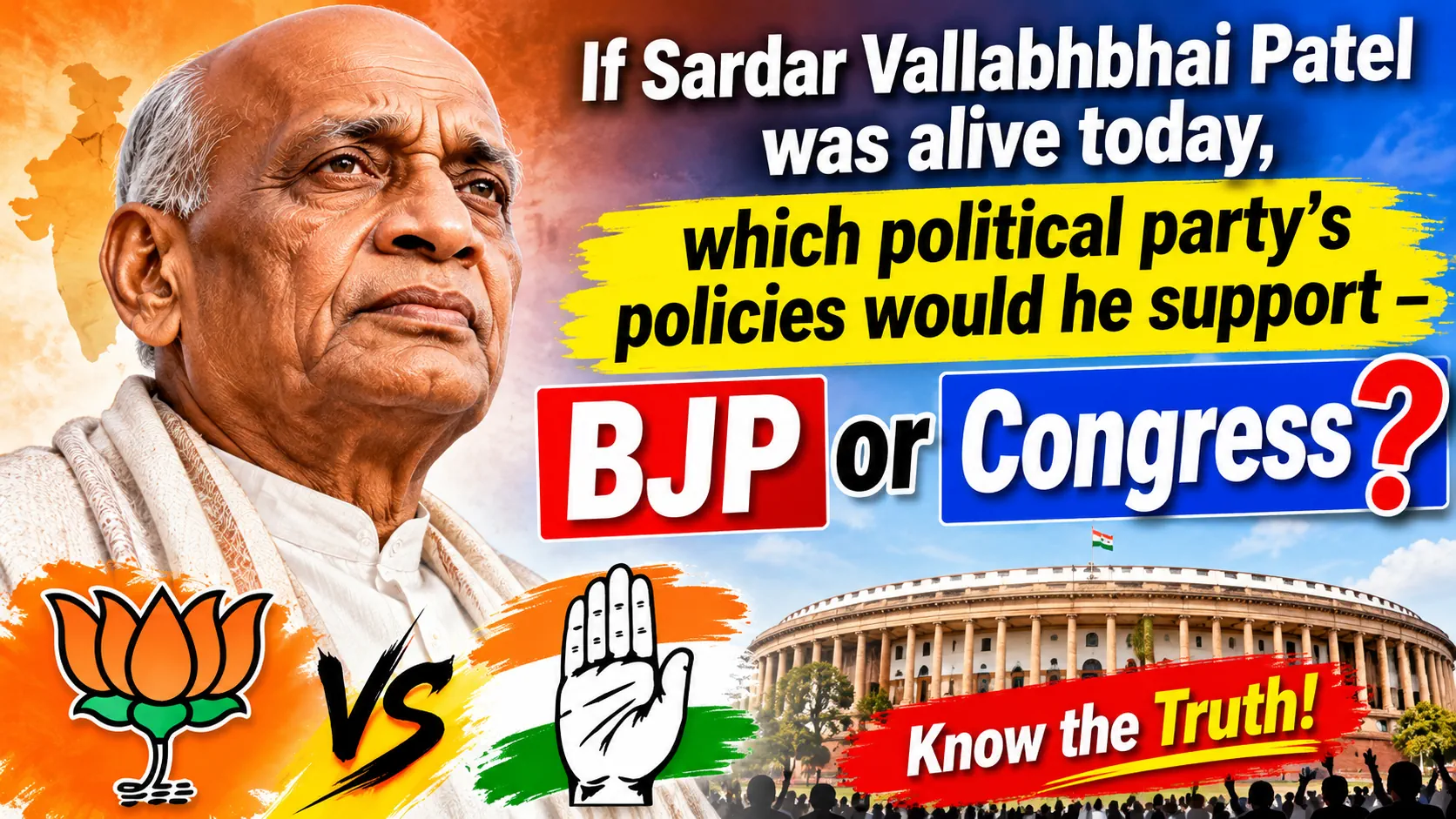
If Sardar Vallabhbhai Patel could see today's India, which party's ideas and policies would be closer to his vision for the country… Read More
 Kamal Bose
asked on

Ajinkya Shinde has emerged as a key figure in the CJP movement after Abhijeet Dipke's detention. Who is he, what is his connection with the Aam A… Read More

 Abhay Mandal
asked on
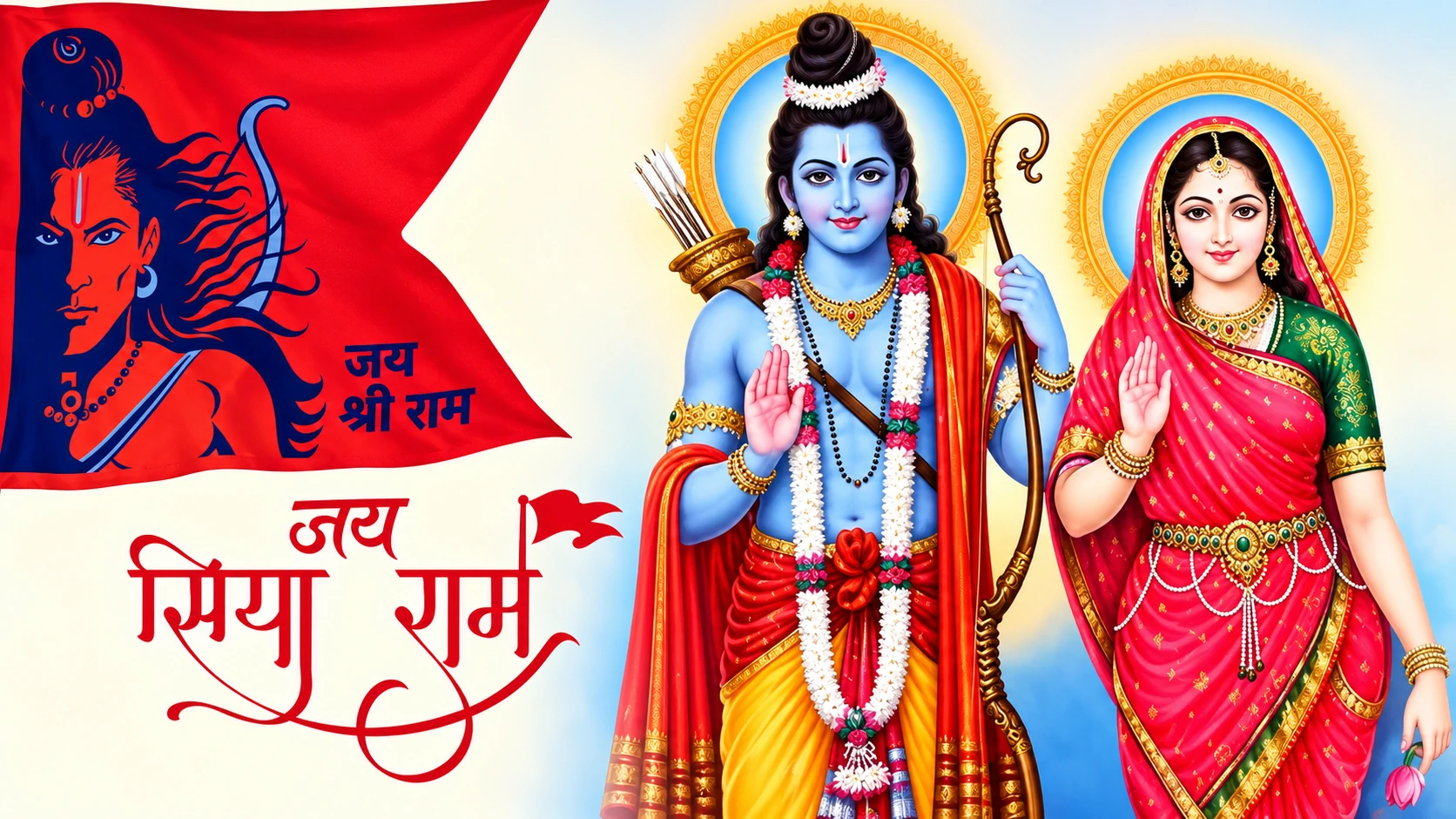
Both “Jai Shri Ram” and “Jai Siya Ram” are devotional expressions associated with Lord Rama. What is the difference?… Read More
 Ipsita Sarkar
asked on
India is growing very fast economically but why there is so much unemployment.. How to change this situation. explain!… Read More